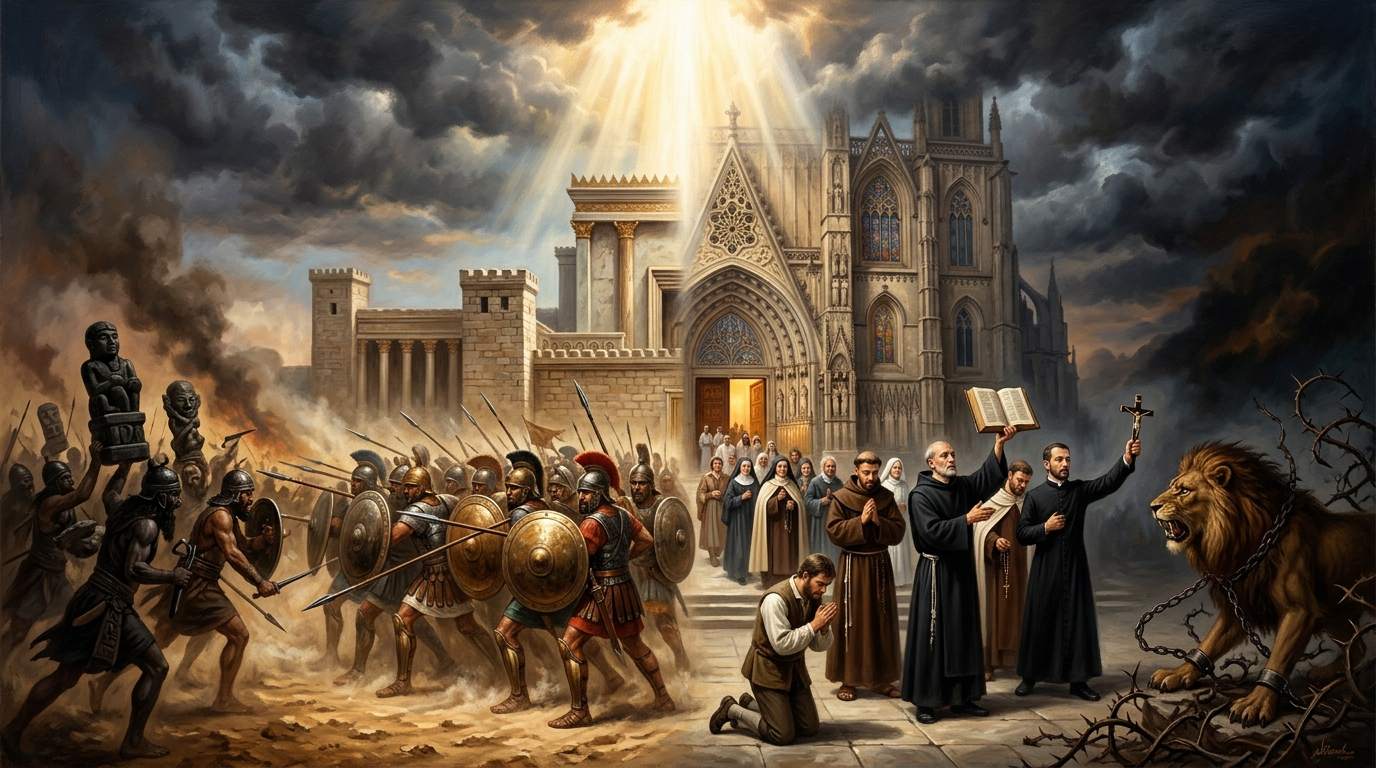
St. Thomas Aquinas, Summa Theologiae, Pt. II-II, Q. 140, A. 1, Reply to Obj. 1: “The Old Testament contained temporal promises, while the promises of the New Testament are spiritual and eternal, according to Augustine (Contra Faust. 4). Hence in the Old Law there was need for the people to be taught how to fight, even in a bodily contest, in order to obtain an earthly possession. But in the New Testament men were to be taught how to come to the possession of eternal life by fighting spiritually, according to Matthew 11:12: The Kingdom of Heaven suffers violence, and the violent bear it away. Hence Peter commands: Your adversary, the devil, as a roaring lion goes about seeking whom he may devour. Resist him, strong in faith. Also James 4:7: Resist the devil, and he will fly from you. Since, however, men while tending to spiritual goods may be withdrawn from them by corporal dangers, precepts of fortitude had to be given even in the New Law, that they might bravely endure temporal evils, according to Matthew 10:28: For not them who kill the body.”
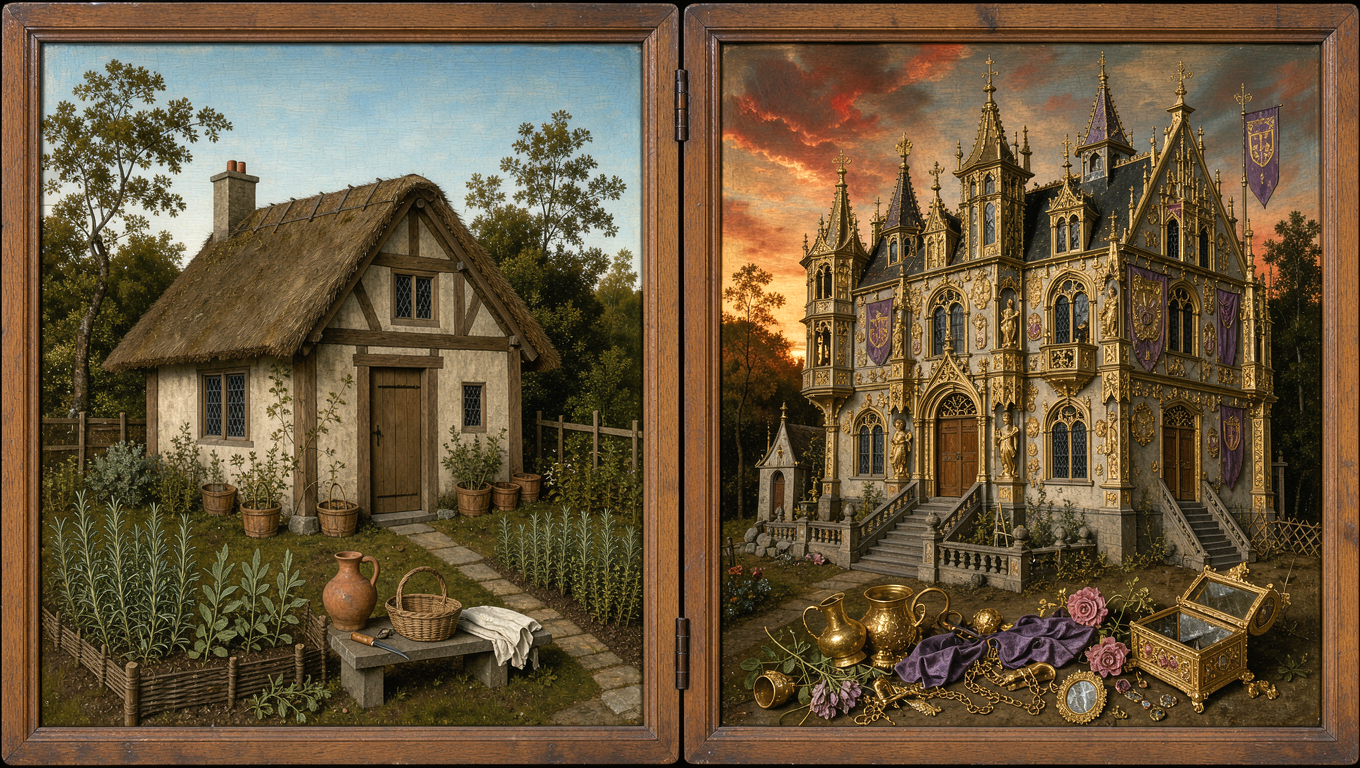
St. Thomas Aquinas, Summa Theologiae, Pt. II-II, Q. 169, A. 2: “But those women who have no husband nor wish to have one, or who are in a state of life inconsistent with marriage, cannot without sin desire to give lustful pleasure to those men who see them, because this is to incite them to sin. And if indeed they adorn themselves with this intention of provoking others to lust, they sin mortally; whereas if they do so from frivolity, or from vanity for the sake of ostentation, it is not always mortal, but sometimes venial. And the same applies to men in this respect… [Reply to Obj. 1]… whence we are given to understand that women are not forbidden to adorn themselves soberly and moderately but [are forbidden] to do so excessively, shamelessly, and immodestly.”
Toward The Truth
… I'm a huge fan of your work. I have discovered your content during the course of my graduate theology studies at a "Catholic" university, when I started to notice something was up with the Vatican II church and began seeking answers. Your material has proved invaluable to my journey towards the truth…
It's unbelievable how many of these "LGBTQ Churches" there are in just your home State alone! So many that it requires a whole series to expose! And people will still look the other way and call this the Catholic Church. Insane!!
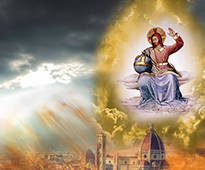
Many people cite Jesus’ words in Matthew 25 about the Last Judgment to argue that people can be saved without the Catholic faith, if they practice corporal works of mercy.
Matthew 25:31-42: “When the Son of Man comes in his glory, and all the angels with him, then he will sit on his glorious throne. Before him will be gathered all the nations, and he will separate people one from another as a shepherd separates the sheep from the goats. And he will place the sheep on his right, but the goats on the left. Then the King will say to those on his right, ‘Come, you who are blessed by my Father, inherit the kingdom prepared for you from the foundation of the world. For I was hungry and you gave me food, I was thirsty and you gave me drink, I was a stranger and you welcomed me, I was naked and you clothed me, I was sick and you visited me, I was in prison and you came to me.’ Then the righteous will answer him, saying, ‘Lord, when did we see you hungry and feed you, or thirsty and give you drink? And when did we see you a stranger and welcome you, or naked and clothe you? And when did we see you sick or in prison and visit you?’ And the King will answer them, ‘Truly, I say to you, as you did it to one of the least of these my brothers, you did it to me.’ Then he will say to those on his left, ‘Depart from me, you cursed, into the everlasting fire prepared for the devil and his angels. For I was hungry and you gave me no food, I was thirsty and you gave me no drink’…”
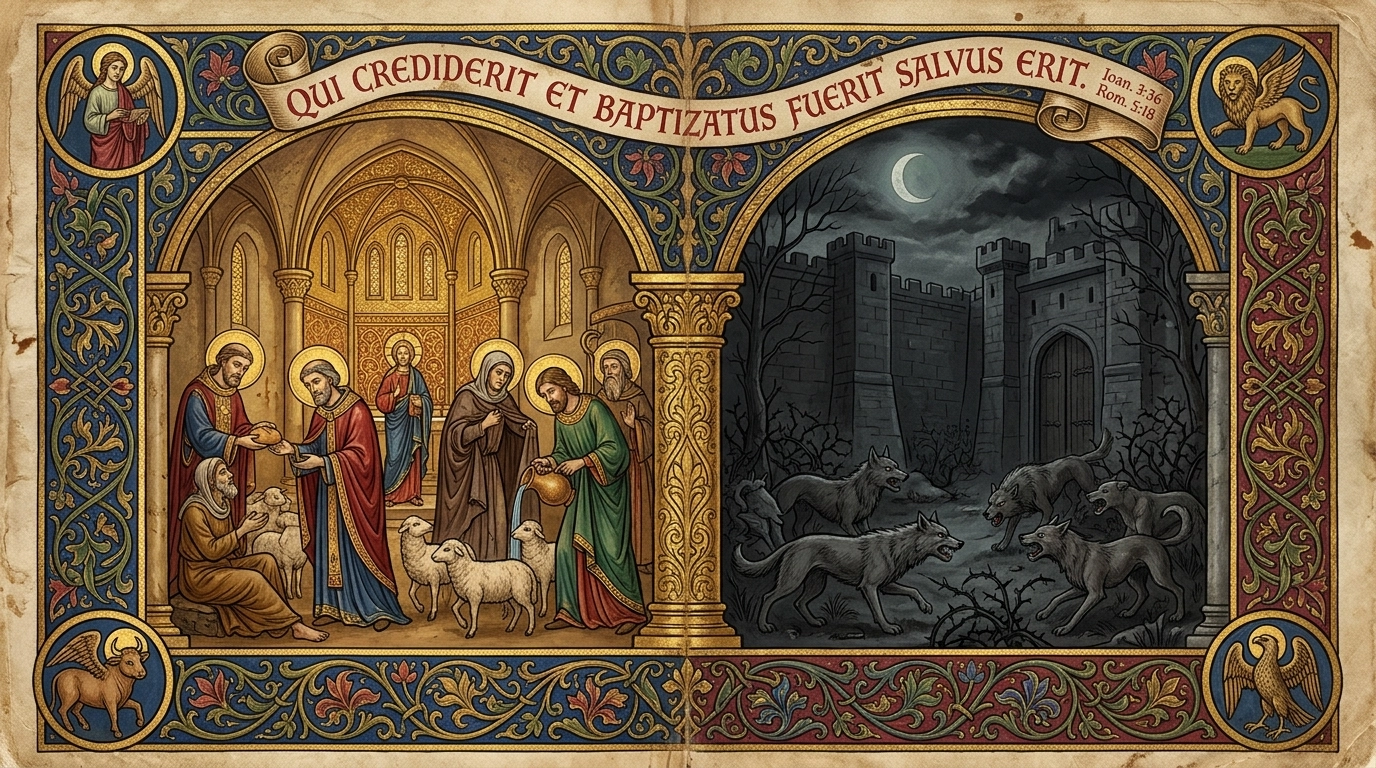
Their interpretation is false, of course, since no one can be saved without the true faith. In commenting on this passage, St. Robert Bellarmine teaches that Mt. 25 only describes the judgment of those who are in the Church, and that it’s not about unbelievers (who are necessarily lost without the true faith). The fact that Mt. 25 is perfectly consistently with the truth that no one is saved without the Catholic faith is dogmatically established by the Council of Florence, which references the passage in the very paragraph in which it declares that all who die outside the Church are not saved.
St. Robert Bellarmine, De Amissione Gratiae et Statu Peccati, Book 6, Chap. 5: “… but in the Gospel of Matthew (Chap. 25) there is only described the form by which those who are in the Church will be judged... For infidels are customarily compared to wolves and dogs in the Scriptures rather than goats. Also, that reason for their eternal punishment: ‘I was hungry and you gave me nothing to eat…’ etc. quite clearly indicates that this form of judgment should be referred to the faithful alone, seeing that they are not denounced because they lacked the proper faith, but because they did not exhibit the works of the faith. Finally, since the Gospel pertains to the faithful alone, and since none has faith in the Gospel except the faithful, there was no need in the Gospel to describe the form in which infidels will be judged, but it was sufficient to make the general statement: He who does not believe, will be condemned (Mark 16); and: He who believes not in the Son will not see life (John 3); and with regard to children: The fault of one man resulted in condemnation for all men (Rom. 5).”
Philippians 2:6-7 “… who, although he was in the form of God, did not count equality with God a thing to be grasped, but emptied himself, by taking the form of a servant, being born in the likeness of men.”
St. Robert Bellarmine, De Christo, Book 1, Chap. 6: “But the common exposition of all the other ancients and more recent ones is that the form of God [in Phil. 2:6] signifies the essence of God.”
St. Thomas Aquinas, Commentary On Philippians 2: “He says, therefore: who, namely, Christ, though he was in the form of God. For it is through its form that a thing is said to be in a specific or generic nature; hence the form is called the nature of a thing. Consequently, to be in the form of God is to be in the nature of God. By this is understood that He is true God: [‘That we may be in his true Son, Jesus Christ’ (1 Jn. 5:20)]. However, it should not be supposed that the form of God is one thing and God himself another, because in simple and immaterial things, and especially in God, the form is the same as that whose form it is.”
In John 3, Jesus proclaimed that everyone must be reborn of water and the Spirit to be saved. The Catholic Church teaches that these words are a dogma without exception.
Pope Eugene IV, The Council of Florence, “Exultate Deo,” Nov. 22, 1439: “Holy baptism, which is the gateway to the spiritual life, holds the first place among all the sacraments; through it we are made members of Christ and of the body of the Church. And since death entered the universe through the first man, ‘unless we are born again of water and the Spirit, we cannot,’ as the Truth says, ‘enter into the kingdom of heaven’ [John 3:5]. The matter of this sacrament is real and natural water.”
Pope Paul III, Council of Trent, Sess. 5, Can. 4, On Original Sin: “By one man sin entered into the world, and by sin death... so that in them there may be washed away by regeneration, what they have contracted by generation, ‘For unless a man is born again of water and the Holy Spirit, he cannot enter the kingdom of God’ [John 3:5].”
Some people, including certain non-Catholics, object that this proclamation of Jesus does not exclude babies who die in the womb of their mother from salvation because Jesus'statement about “rebirth” only applies to people who have been born the first time, and children in the womb have not yet been born. However, that objection is refuted by recognizing that, in the New Testament, the Greek verb γεννάω (gennaō) – which carries the meanings of “to beget”, “to bring forth” and “to be born” – is used to refer both to children in the womb and to children who have come forth from the womb. This is proven by Matthew 1:20, which uses the word γεννηθὲν (a passive participle of the verb γεννάω) to refer to Our Lord who was still in the womb of Our Lady.
Matthew 1:20 “But as he considered these things, behold, an angel of the Lord appeared to him in a dream, saying, ‘Joseph, son of David, do not fear to take Mary as your wife, for that which is born [conceived/ γεννηθὲν] in her is from the Holy Spirit.’”
Yet, the same verb is used in various places of the New Testament to refer to children who have come forth from the wombs of their mothers (e.g Matthew 2:1; Acts 7:20; etc.). So, according to the New Testament, every child conceived and vivified by a soul, whether inside or outside the womb, has been “born” in that sense and will not be saved unless it is reborn of water and the Spirit. However, baptism is not to be performed until a child comes forth from the womb of the mother.



 " />
 " />
 " />
 " />
 " />